18 November 2026
Knee Cap Pain: Causes and Treatment
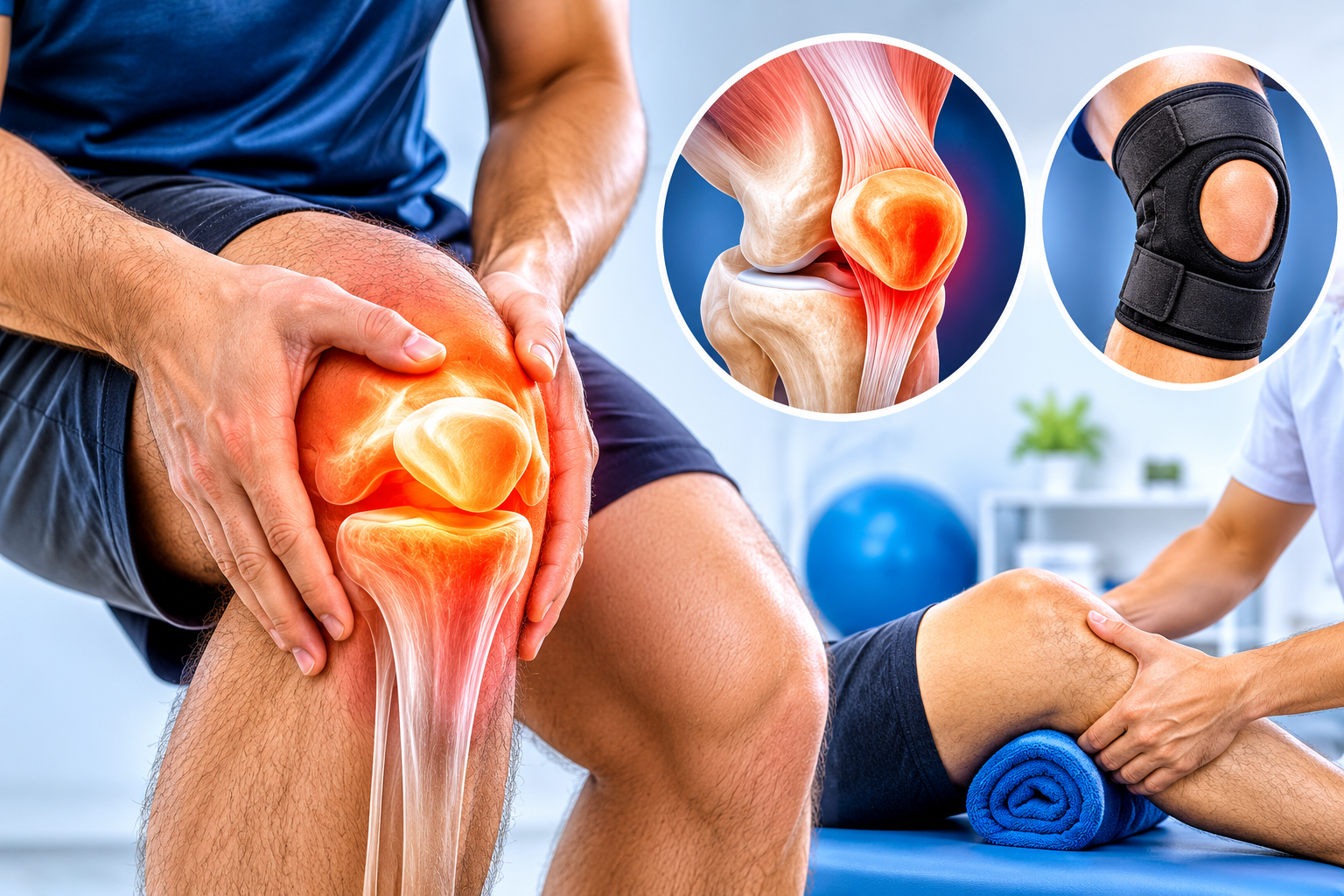
Knee cap pain, also known as anterior knee pain, is discomfort experienced around or behind the kneecap. It is commonly associated with activities such as climbing stairs, squatting, running, jumping and sitting with bent knees for extended periods.
The condition may affect people with active lifestyles as well as individuals who spend long hours sitting or have muscle weakness around the hip and knee. Identifying the underlying cause is important for choosing the right treatment.
Common Causes of Knee Cap Pain
Knee cap pain may develop due to several factors:
Overuse during running, jumping or sports.
Weakness in the quadriceps and hip muscles.
Sudden increase in physical activity.
Poor movement mechanics during exercise.
Muscle tightness around the thigh and hip.
Previous knee injury.
Repeated stress on the kneecap joint.
Symptoms of Knee Cap Pain
People experiencing this condition may notice:
Pain around or behind the kneecap.
Discomfort while climbing or descending stairs.
Pain during squatting or lunging.
Increased discomfort after prolonged sitting.
Pain during running or jumping.
Occasional clicking or grinding sensations in the knee.
Symptoms can vary, and clicking alone does not necessarily indicate serious joint damage.
Diagnosis of Knee Cap Pain
A proper evaluation may involve:
1. Medical History: Understanding when the pain started and which activities make it worse.
2. Physical Examination: Assessing knee movement, tenderness, muscle strength and joint function.
3. Movement Assessment: Observing walking, squatting and other movements to identify possible contributing factors.
4. Imaging Tests: X-rays or MRI may be recommended when symptoms, examination findings or suspected injuries require further investigation.
Non-Surgical Treatment Options
Treatment is planned according to the cause, symptoms and functional needs of the patient.
1. Activity Modification
Reducing painful activities temporarily can help manage irritation while maintaining suitable daily movement.
2. Strengthening Exercises
Targeted exercises for the quadriceps, hip and surrounding muscles can improve knee support and movement control.
3. Physiotherapy and Rehabilitation
A personalized physiotherapy programme may include strengthening, flexibility exercises, movement correction and gradual return to normal activities.
4. Pain Management
Appropriate pain-relief strategies may be considered after reviewing the patient's medical history and symptoms.
5. Movement and Lifestyle Guidance
Learning correct exercise techniques, avoiding sudden training increases and maintaining a suitable activity routine can support long-term knee function.
Tips to Reduce Knee Cap Pain
Warm up before exercise.
Strengthen thigh and hip muscles.
Avoid sudden increases in workout intensity.
Use proper exercise techniques.
Take breaks from prolonged sitting.
Choose comfortable and supportive footwear.
Follow a gradual return-to-activity plan.
Conclusion
Knee cap pain can make everyday activities such as walking, climbing stairs and exercising uncomfortable. Identifying the cause early and following an appropriate rehabilitation programme can help improve strength, movement and daily function.
Dr. Prince Sain provides personalized, patient-centered, non-surgical pain management with a focus on assessment, rehabilitation and individual treatment needs. Persistent or worsening knee pain should be evaluated by a qualified healthcare professional.
Frequently Asked Questions
1. What is the most common cause of knee cap pain?
Overuse, muscle weakness and repeated stress around the kneecap are common contributing factors.
2. Can knee cap pain improve without surgery?
Many cases respond to activity modification, physiotherapy and strengthening exercises. Treatment depends on the underlying diagnosis.
3. Why does my knee hurt when climbing stairs?
Climbing stairs increases the load on the kneecap joint, which may aggravate certain knee conditions.
4. Are exercises helpful for knee cap pain?
Appropriate strengthening and mobility exercises can help improve muscle support and knee function. Exercises should be selected according to the individual's condition.
5. When should I seek medical attention?
Consult a healthcare professional if pain persists, swelling develops, the knee feels unstable or daily activities become difficult.
← Back to all blogs
Common Causes of Knee Cap Pain
Knee cap pain may develop due to several factors:
Overuse during running, jumping or sports.
Weakness in the quadriceps and hip muscles.
Sudden increase in physical activity.
Poor movement mechanics during exercise.
Muscle tightness around the thigh and hip.
Previous knee injury.
Repeated stress on the kneecap joint.
Symptoms of Knee Cap Pain
People experiencing this condition may notice:
Pain around or behind the kneecap.
Discomfort while climbing or descending stairs.
Pain during squatting or lunging.
Increased discomfort after prolonged sitting.
Pain during running or jumping.
Occasional clicking or grinding sensations in the knee.
Symptoms can vary, and clicking alone does not necessarily indicate serious joint damage.
Diagnosis of Knee Cap Pain
A proper evaluation may involve:
1. Medical History: Understanding when the pain started and which activities make it worse.
2. Physical Examination: Assessing knee movement, tenderness, muscle strength and joint function.
3. Movement Assessment: Observing walking, squatting and other movements to identify possible contributing factors.
4. Imaging Tests: X-rays or MRI may be recommended when symptoms, examination findings or suspected injuries require further investigation.
Non-Surgical Treatment Options
Treatment is planned according to the cause, symptoms and functional needs of the patient.
1. Activity Modification
Reducing painful activities temporarily can help manage irritation while maintaining suitable daily movement.
2. Strengthening Exercises
Targeted exercises for the quadriceps, hip and surrounding muscles can improve knee support and movement control.
3. Physiotherapy and Rehabilitation
A personalized physiotherapy programme may include strengthening, flexibility exercises, movement correction and gradual return to normal activities.
4. Pain Management
Appropriate pain-relief strategies may be considered after reviewing the patient's medical history and symptoms.
5. Movement and Lifestyle Guidance
Learning correct exercise techniques, avoiding sudden training increases and maintaining a suitable activity routine can support long-term knee function.
Tips to Reduce Knee Cap Pain
Warm up before exercise.
Strengthen thigh and hip muscles.
Avoid sudden increases in workout intensity.
Use proper exercise techniques.
Take breaks from prolonged sitting.
Choose comfortable and supportive footwear.
Follow a gradual return-to-activity plan.
Conclusion
Knee cap pain can make everyday activities such as walking, climbing stairs and exercising uncomfortable. Identifying the cause early and following an appropriate rehabilitation programme can help improve strength, movement and daily function.
Dr. Prince Sain provides personalized, patient-centered, non-surgical pain management with a focus on assessment, rehabilitation and individual treatment needs. Persistent or worsening knee pain should be evaluated by a qualified healthcare professional.
Frequently Asked Questions
1. What is the most common cause of knee cap pain?
Overuse, muscle weakness and repeated stress around the kneecap are common contributing factors.
2. Can knee cap pain improve without surgery?
Many cases respond to activity modification, physiotherapy and strengthening exercises. Treatment depends on the underlying diagnosis.
3. Why does my knee hurt when climbing stairs?
Climbing stairs increases the load on the kneecap joint, which may aggravate certain knee conditions.
4. Are exercises helpful for knee cap pain?
Appropriate strengthening and mobility exercises can help improve muscle support and knee function. Exercises should be selected according to the individual's condition.
5. When should I seek medical attention?
Consult a healthcare professional if pain persists, swelling develops, the knee feels unstable or daily activities become difficult.
