16 November 2026
Achilles Tendon Pain: Causes and Treatment
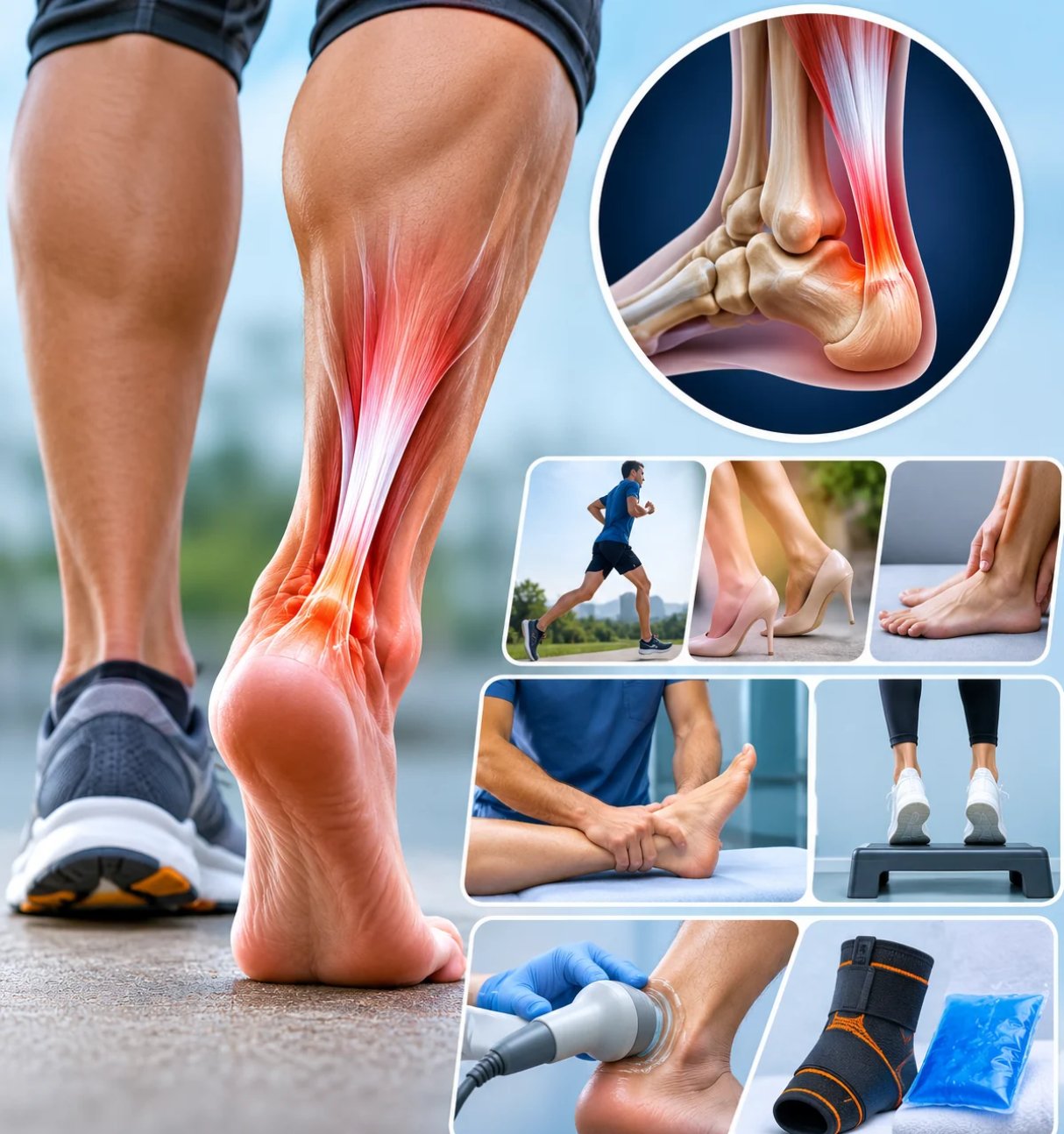
Achilles tendon pain is a common condition that affects the strong tendon connecting the calf muscles to the heel bone. This tendon plays an important role in walking, running, jumping and climbing stairs.
Repeated stress, sudden increases in physical activity and inadequate recovery can lead to irritation or injury of the tendon.
If left unaddressed, Achilles tendon pain may interfere with everyday activities and physical performance. Early assessment and appropriate treatment can help reduce discomfort and support recovery.
Common Causes of Achilles Tendon Pain
Several factors can contribute to Achilles tendon problems, including:
Sudden increase in running or exercise intensity.
Repetitive stress on the tendon.
Tight or weak calf muscles.
Inadequate warm-up before physical activity.
Wearing unsuitable footwear.
Limited ankle flexibility.
Previous tendon injuries or age-related changes.
Symptoms to Watch For
Common symptoms include:
Pain or stiffness at the back of the heel.
Discomfort during walking, running or climbing stairs.
Morning stiffness that improves with movement.
Tenderness or swelling around the tendon.
Pain after physical activity.
Difficulty standing on the toes in more severe cases.
A sudden popping sensation, severe pain or inability to walk may indicate a tendon rupture and requires urgent medical assessment.
How Is It Diagnosed?
A healthcare professional may assess the condition through:
Medical history and activity assessment.
Physical examination of the heel and calf.
Evaluation of ankle movement and muscle strength.
Ultrasound or MRI when a tendon tear or other complication is suspected.
Accurate diagnosis helps distinguish tendon irritation from other causes of heel pain.
Treatment Options
Treatment depends on the severity of the condition and the individual's physical needs. Non-surgical management may include:
1. Activity Modification
Temporarily reducing activities that aggravate the pain can help prevent additional tendon stress.
2. Physiotherapy
A structured rehabilitation programme may include progressive strengthening, calf exercises, mobility training and gradual loading of the tendon.
3. Pain Management
Appropriate pain-relief measures may be recommended after assessing the patient's condition and medical history.
4. Footwear and Activity Guidance
Suitable footwear, gradual training progression and proper recovery periods can help reduce excessive tendon loading.
5. Gradual Return to Activity
Returning to sports and exercise should be based on pain, strength and functional recovery rather than a fixed timeline.
Can Achilles Tendon Pain Be Prevented?
Some practical steps may reduce the risk:
Warm up before exercise.
Increase training intensity gradually.
Strengthen calf muscles regularly.
Avoid sudden increases in running distance.
Wear supportive and comfortable footwear.
Allow adequate recovery between intense workouts.
Conclusion
Achilles tendon pain can affect walking, exercise and everyday movement, but timely assessment and an appropriate rehabilitation plan can help improve function. Dr. Prince Sain focuses on personalized, patient-centered, non-surgical pain management and rehabilitation approaches based on individual needs.
If heel or tendon pain continues, consult a qualified healthcare professional for proper evaluation and treatment guidance.
Frequently Asked Questions
1. What causes Achilles tendon pain?
It commonly develops due to repetitive stress, sudden increases in physical activity, calf muscle tightness or inadequate recovery.
2. Can Achilles tendon pain heal without surgery?
Many cases can be managed without surgery through activity modification, physiotherapy and guided rehabilitation. Severe tendon injuries require specialist assessment.
3. Is walking safe with Achilles tendon pain?
It depends on the severity of symptoms. Activities that increase pain should be reduced, and persistent discomfort should be assessed.
4. How long does Achilles tendon recovery take?
Recovery varies depending on the extent of tendon involvement, overall health and consistency with rehabilitation.
5. When should I consult a specialist?
Seek medical advice if pain persists, swelling increases, walking becomes difficult or symptoms interfere with daily activities.
← Back to all blogs
If left unaddressed, Achilles tendon pain may interfere with everyday activities and physical performance. Early assessment and appropriate treatment can help reduce discomfort and support recovery.
Common Causes of Achilles Tendon Pain
Several factors can contribute to Achilles tendon problems, including:
Sudden increase in running or exercise intensity.
Repetitive stress on the tendon.
Tight or weak calf muscles.
Inadequate warm-up before physical activity.
Wearing unsuitable footwear.
Limited ankle flexibility.
Previous tendon injuries or age-related changes.
Symptoms to Watch For
Common symptoms include:
Pain or stiffness at the back of the heel.
Discomfort during walking, running or climbing stairs.
Morning stiffness that improves with movement.
Tenderness or swelling around the tendon.
Pain after physical activity.
Difficulty standing on the toes in more severe cases.
A sudden popping sensation, severe pain or inability to walk may indicate a tendon rupture and requires urgent medical assessment.
How Is It Diagnosed?
A healthcare professional may assess the condition through:
Medical history and activity assessment.
Physical examination of the heel and calf.
Evaluation of ankle movement and muscle strength.
Ultrasound or MRI when a tendon tear or other complication is suspected.
Accurate diagnosis helps distinguish tendon irritation from other causes of heel pain.
Treatment Options
Treatment depends on the severity of the condition and the individual's physical needs. Non-surgical management may include:
1. Activity Modification
Temporarily reducing activities that aggravate the pain can help prevent additional tendon stress.
2. Physiotherapy
A structured rehabilitation programme may include progressive strengthening, calf exercises, mobility training and gradual loading of the tendon.
3. Pain Management
Appropriate pain-relief measures may be recommended after assessing the patient's condition and medical history.
4. Footwear and Activity Guidance
Suitable footwear, gradual training progression and proper recovery periods can help reduce excessive tendon loading.
5. Gradual Return to Activity
Returning to sports and exercise should be based on pain, strength and functional recovery rather than a fixed timeline.
Can Achilles Tendon Pain Be Prevented?
Some practical steps may reduce the risk:
Warm up before exercise.
Increase training intensity gradually.
Strengthen calf muscles regularly.
Avoid sudden increases in running distance.
Wear supportive and comfortable footwear.
Allow adequate recovery between intense workouts.
Conclusion
Achilles tendon pain can affect walking, exercise and everyday movement, but timely assessment and an appropriate rehabilitation plan can help improve function. Dr. Prince Sain focuses on personalized, patient-centered, non-surgical pain management and rehabilitation approaches based on individual needs.
If heel or tendon pain continues, consult a qualified healthcare professional for proper evaluation and treatment guidance.
Frequently Asked Questions
1. What causes Achilles tendon pain?
It commonly develops due to repetitive stress, sudden increases in physical activity, calf muscle tightness or inadequate recovery.
2. Can Achilles tendon pain heal without surgery?
Many cases can be managed without surgery through activity modification, physiotherapy and guided rehabilitation. Severe tendon injuries require specialist assessment.
3. Is walking safe with Achilles tendon pain?
It depends on the severity of symptoms. Activities that increase pain should be reduced, and persistent discomfort should be assessed.
4. How long does Achilles tendon recovery take?
Recovery varies depending on the extent of tendon involvement, overall health and consistency with rehabilitation.
5. When should I consult a specialist?
Seek medical advice if pain persists, swelling increases, walking becomes difficult or symptoms interfere with daily activities.
